Diploma vs. Paramedic Degree – Which Pathway is Right for You?
If you’ve ever imagined yourself responding to emergencies, saving lives, and working on the front line of healthcare, you might be wondering how to become a paramedic in Australia. There are two main education pathways for careers in prehospital care:
-
University Paramedic Degree – typically a three-year Bachelor of Paramedicine
-
Paramedic Diploma – such as the HLT51020 — Diploma of Emergency Health Care
Each pathway has different benefits, costs, and timeframes, so let’s compare them.
What is the HLT51020 — Diploma of Emergency Health Care?
The HLT51020 Diploma of Emergency Health Care is a nationally recognised qualification designed to provide the skills and knowledge needed to work in pre-hospital and out-of-hospital emergency care.
When you study with International Paramedic College, you’ll learn how to:
-
Assess and manage patients in emergencies
-
Provide clinical interventions and administer medications
-
Work in unpredictable environments with other health professionals
-
Operate emergency response equipment
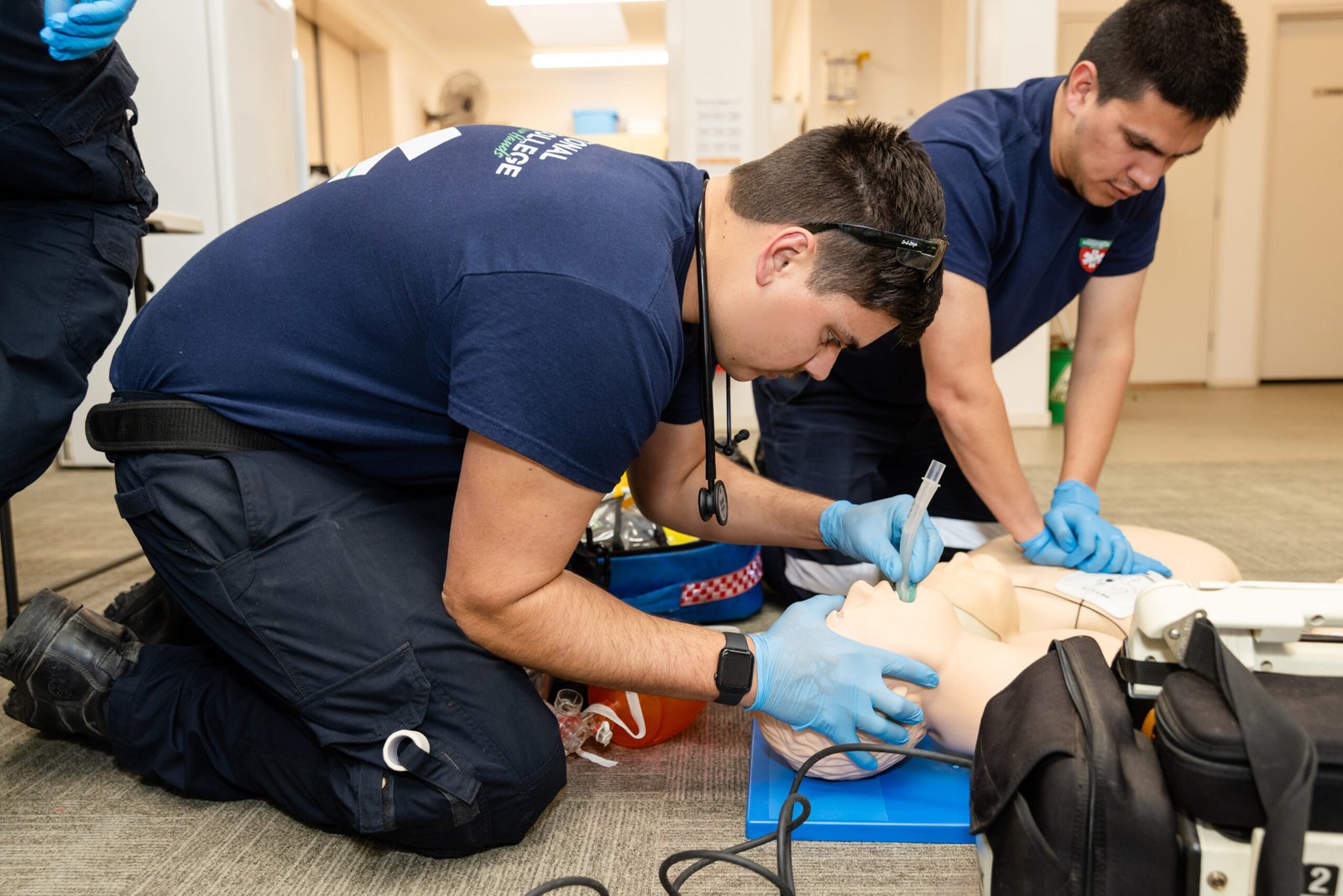
The course includes theory, practical training, and clinical work placement, giving you real-world experience before you graduate.
Diploma vs. Degree – Key Differences
| Feature | HLT51020 Diploma of Emergency Health Care | Bachelor of Paramedicine |
|---|---|---|
| Duration | 12–24 months (flexible study options) | 3+ years full-time |
| Entry Requirements | Vary with providers | ATAR entry, prerequisite subjects |
| Delivery | Online learning + practical workshops + clinical placement | On-campus learning + clinical placement |
| Career Outcomes | Patient transport officer, event medic, EMT | Registered Paramedic |
| Cost | Lower than a university degree | Higher tuition fees (HECS-HELP may apply) |
| Next Steps | May be used for advanced standing at university | Direct entry into paramedic registration |
Which Option Should You Choose?
-
Choose the Diploma if you want to enter the workforce faster and start working in emergency care without committing to a full degree right away. Your diploma may be used for advanced standing at university if you later choose to study a Bachelor of Paramedicine.
-
Choose the Degree if your goal is to become a Registered Paramedic with the Paramedicine Board of Australia and you meet university entry requirements.
Career Opportunities with the Diploma
After completing the HLT51020 Diploma of Emergency Health Care, you may work in:
-
Private ambulance services
-
Event and sports medical coverage
-
Industrial and mining emergency teams
-
International medical assistance and repatriation
These roles provide valuable industry experience, making you a strong candidate for further study.
Pathway to University
Completing the HLT51020 Diploma of Emergency Health Care at International Paramedic College can be a great stepping stone. In some cases, your diploma may be used for advanced standing at university, reducing the time and cost of a Bachelor of Paramedicine.
Final Thoughts
Whether you choose the paramedic diploma or a paramedic degree, both are valid pathways to a rewarding career in emergency health care.
If you want to start your career quickly, gain hands-on skills, and keep your study flexible, the HLT51020 Diploma of Emergency Health Care could be the right choice.
Ready to take the next step?
Visit our Diploma of Emergency Health Care course page to find out more, or contact our team today.
Let’s start your journey!
If you’ve got any questions and you’d like to speak to one of our qualified Paramedics that run our courses, fill in your details here and they’ll be in touch to organise a time to chat with you via video chat or by phone. Whatever suits you best.
We take great pride in preparing our students for the rewarding and challenging career of Australian emergency medicine and pre-hospital care. So if you’ve got any questions about courses or the career as a whole, feel free to reach out to us.